A Comeback Story in Senior Living: What Leaders Are Learning
LIFESPARK SENIOR LIVING
For more information about the author, click to view their website: Lifespark
Nov 17, 2025
Minnesota - Twin Cities Metro Area

Email US
Click to Email Us
A Comeback Story in Senior Living: What Leaders Are Learning
The senior-living sector has quietly staged one of the most remarkable recoveries of recent times. After years of disruption, the industry is now enjoying renewed momentum — and the lessons for its leaders are clear.
Rising Demand, Tightening Supply
In the wake of the pandemic, the demand for senior housing has surged. By mid-2025, occupancy in the senior-living sector exceeded 88%, reflecting a dramatic rebound. Rental rates for independent living climbed over 4% this year, and assisted-living communities saw a similar uptick. Meanwhile, construction of new units has slowed significantly — only 809 new units were delivered in a recent quarter, marking the lowest growth in decades.
What this adds up to: more people looking for senior-living options, but fewer new beds coming online. That tightening supply is pushing both occupancy and pricing upward.
The Demographic Tailwind
Another powerful force behind the comeback: demographics. The U.S. senior population is growing rapidly — more Americans turn age 65 each day than ever before. Life expectancy is rising, too, leading many seniors to consider community-based living options rather than aging in place alone.
This confluence of broader demand and stronger interest in senior communities has created what industry observers are calling a “silver tsunami” — and providers are riding the wave.
What Smart Leaders Are Doing Differently
With growth back on the table, the operators who are winning aren’t simply ramping up rooms or services. Instead, they’re shifting their focus in three key ways:
1. Embracing flexibility in living models.
Facilities are offering more varied living options—from independent apartments to assisted-living wings to memory-care neighborhoods—so they’re ready for a broad spectrum of senior needs.
2. Prioritizing resident experience and purpose.
It’s not enough to have a bed and staff. Residents want meaningful engagement, social connection, and environments that feel like home. The most successful providers understand that quality of life drives occupancy and referrals.
3. Aligning around value and outcomes.
As payers and families look for better results (not just spaces), operators are paying more attention to health outcomes, care coordination, and linking senior living with broader healthcare partnerships. Leaders who view senior housing as part of the health-care ecosystem—not simply real estate—are gaining ground.
Key Challenges Ahead
Even with momentum, the sector must navigate some headwinds:
-
Labor and staffing gaps. With increasing complexity of senior health needs, finding and retaining qualified staff remains a critical constraint.
-
Rising costs. As demand climbs, so do operational expenses—particularly for higher-acuity care and enhanced services.
-
Capital constraints. With fewer new units under construction and higher financing costs, growth will be slower unless providers find new efficiency and revenue models.
Why It Matters to You
If you’re part of a senior-living organization—or a leader advising one—this rebound isn’t just a piece of good news. It’s a signal that the game has changed. The era of waiting for recovery is over; the era of actively shaping senior care for the new senior generation is now. Smart leaders will leverage these insights to plan ahead, innovate care, and meet demand not just with more rooms—but with better experiences and stronger care.

- To view the original version of this article visit lifespark.com/how-senior-care-bounced-back-and-what-smart-leaders-can-learn-from-it/
- Seniors Blue Book was not involved in the creation of this content.
Other Articles You May Like
Finding Independence and Community in Mobile, AL
Finding Independence and Community in Mobile, ALFor many older adults, independence means having the freedom to make personal choices, maintain familiar routines, and enjoy meaningful relationships.However, certain household responsibilities may become more difficult with age.An individual may want to continue socializing and participating in community events but require assistance with bathing or dressing. Another older adult may enjoy living independently but find meal preparation, housekeeping, and laundry increasingly demanding.For families in Mobile, Alabama, assisted living offers an option that combines residential convenience with personalized daily support.Assisted living communities provide accommodations, meals, social activities, and assistance with selected daily responsibilities while encouraging residents to maintain independence.A well-matched community should respect individual preferences and offer an appropriate balance between privacy and companionship.Crowne Place Assisted Living, located in Mobile's Springhill neighborhood, provides a residential setting designed around personalized care and active community participation.Operated by Crowne Health Care, Crowne Place offers personal assistance, meals, laundry, medication-related support, recreational activities, and opportunities for social and spiritual engagement.For older adults exploring a new living arrangement, understanding the benefits and limitations of assisted living can help clarify the next step.What Is Assisted Living?Assisted living is a residential care option for individuals who need help with certain daily activities but do not necessarily require continuous skilled nursing care.Common Assisted Living ServicesThese may include:Personal care assistanceMedication-related supportPrepared mealsLaundryHousekeepingRecreational activitiesSocial gatheringsTransportation arrangementsWellness monitoringCoordination with appropriate healthcare professionalsThe specific services vary according to the community's licensing, staffing, and the resident's assessed needs.When Assisted Living May Be AppropriateSome older adults choose assisted living before experiencing serious health problems.Others begin considering it after changes in independence.Household MaintenanceCleaning, laundry, and meal preparation may become physically demanding.Personal CareAn individual may require assistance with bathing or dressing.Medication RoutinesSome people need help following established medication schedules.Social IsolationA person living alone may want more regular opportunities to interact with others.Family CaregivingRelatives may need additional support with daily responsibilities.Lifestyle PreferencesSome older adults prefer a residential setting that offers activities and prepared meals.A professional assessment should determine whether the community can meet the person's needs. Crowne Place Assisted Living in MobileCrowne Place Assisted Living is part of Crowne Health Care, a family-owned network of residential care and skilled nursing facilities across Alabama.Crowne Place is located on Dauphin Street in Mobile's Springhill neighborhood. The community emphasizes privacy, independence, personal attention, and participation in social activities.Personalized CareResidents may receive an appropriate level of assistance with daily responsibilities.Residential PrivacyCrowne Place emphasizes comfortable private and shared residential spaces.DiningMeals are prepared by dietary staff and served in a community dining area.Personal AssistanceStaff provide support with selected bathing, dressing, and medication-related needs.LaundryThe community advertises residential laundry assistance.ActivitiesResidents can participate in games, fitness classes, arts and crafts, music, and other programs.Spiritual OpportunitiesAn on-site chapel offers religious services and fellowship. Verified Contact InformationCrowne Place Assisted LivingAddress: 3720 Dauphin Street, Mobile, AL 36608County: Mobile County, AlabamaPhone: 251-344-3866 Daily ChoicesResidents may choose how to participate in available activities.Personal RoutinesCare should consider familiar habits and preferences.Bathing and DressingAssistance may be available when needed.Medication SupportThe community provides monitoring and assistance consistent with its care arrangements.PrivacyResidents should have opportunities to enjoy personal space.Family InvolvementRelatives may remain involved in care discussions when appropriate.Crowne Place emphasizes providing the amount of assistance that suits each resident.A Community Built Around RelationshipsMoving into assisted living can create opportunities for new friendships.Shared MealsThe dining room provides a gathering place.Group ActivitiesGames and recreation encourage interaction.MusicMusical events can offer entertainment.Religious FellowshipThe chapel hosts spiritual programs and services.Neighborhood Connections Crowne Place identifies participation from nearby churches and community groups.Personal PreferencesResidents should be able to enjoy group activities or quiet time according to their interests.Dining and Everyday ConvenienceMeal preparation can become challenging when mobility or energy levels change. Crowne Place provides meals prepared by dietary staff.Regular MealsResidents benefit from established dining services.Balanced NutritionMeal planning considers appropriate dietary requirements.Social DiningShared meals create opportunities for conversation.Home-Style CookingThe provider emphasizes traditional and familiar meal preparation.Dietary ConcernsFamilies should discuss allergies or medically prescribed diets.Guest ArrangementsAsk about current guest meal policies and charges.Medication Assistance and Care PlanningSome older adults need support following medication instructions.Medication ReviewThe community should understand the resident's current prescriptions.Staff ResponsibilitiesMedication-related assistance follows applicable facility requirements.Personalized PlanningThe provider describes nurses working with physicians to develop care plans.Changes in ConditionNew health concerns may require a medical evaluation.Family CommunicationAuthorized relatives should understand how important changes are reported.Clinical LimitationsAssisted living is not the same as 24-hour skilled nursing care. Expert Tip for Choosing Assisted LivingExpert Tip: During a tour, identify one activity your loved one would enjoy, one daily responsibility requiring assistance, and one personal preference that should be preserved.Ask staff how the community would accommodate all three.This helps families evaluate whether the environment supports both practical care needs and quality of life.How to Get Started With Crowne PlaceReview the older adult's daily needs and personal preferences.Call Crowne Place at 251-344-3866.Ask about current accommodations and pricing.Schedule a personal tour.Discuss personal care, medications, and dietary needs.Review activities, dining, and family visitation.Confirm admission requirements and fees.Plan the transition with the prospective resident whenever possible. Frequently Asked Questions1. Where is Crowne Place Assisted Living located?Crowne Place is at 3720 Dauphin Street, Mobile, AL 36608. Its phone number is 251-344-3866.2. What services does Crowne Place provide?The community offers personal care assistance, medication support, dining, laundry, recreational activities, and residential services.3. Does Crowne Place have social and recreational activities?Yes. Activities include fitness classes, arts and crafts, games, music, movie nights, and religious programs.4. Does Crowne Place have a chapel?Yes. The community advertises an on-site chapel and various religious and fellowship services.5. Is Crowne Place the same as Crowne Health Care of Springhill?No. Crowne Place is an assisted living community. Crowne Health Care of Springhill, located next door, is a separate skilled nursing and rehabilitation facility.Enjoy Greater Convenience Without Giving Up Personal ChoiceAssisted living can support older adults who want fewer household responsibilities and appropriate assistance with daily activities.The right community should also offer privacy, meaningful relationships, and opportunities to remain active.Crowne Place Assisted Living combines personalized support with dining, recreation, and a community-focused lifestyle in Mobile's Springhill neighborhood.Families can contact Crowne Place to discuss current openings, pricing, and a personal tour.Seniors Blue Book Listing: [https://seniorsbluebook.com/senior-housing/crowne-place-assisted-living-mobile-al]Find Crowne Place Assisted Living on Seniors Blue BookExplore assisted living options in Mobile and contact Crowne Place for accommodations, services, and current pricing.
Managing Complex Care Needs at Home in Mobile, AL
For older adults managing several medical conditions, receiving appropriate healthcare can involve a complicated schedule.A person living with diabetes may require wound monitoring and medication education. Someone with heart disease may need regular clinical assessments. Another patient may have recently undergone surgery and require skilled nursing and rehabilitation before returning to ordinary activities.When these needs overlap, coordinating multiple healthcare services can become difficult.Family members may be uncertain about which provider to contact, how to organize medications, or which symptoms require urgent attention.For eligible residents in Mobile, Alabama, skilled home health care can bring professional services into the residence while supporting coordination with the patient's healthcare team.Home health care provides medically necessary nursing, rehabilitation, and related services according to an individualized treatment plan.It is intended to help patients manage appropriate health needs and maintain or improve everyday functioning.Access Home Health Mobile offers professional in-home healthcare, including skilled nursing, wound and ostomy care, medication management, IV and infusion services, chronic disease support, rehabilitation, and medical social work.Based on Old Shell Road, the agency serves Mobile and surrounding counties.For families managing complex healthcare responsibilities, understanding how these services work together can help create a more organized approach to care.Understanding Complex Home Healthcare NeedsSome patients require one primary service.Others need several types of clinical support at the same time.Multiple Medical ConditionsAn individual may live with heart disease, diabetes, or other chronic illnesses.Medication ComplexitySeveral prescriptions may require careful coordination.Wound CareCertain wounds need professional assessment and treatment.RehabilitationPhysical limitations may require therapy.Infusion TreatmentSome individuals receive medically appropriate IV or infusion services.Care CoordinationHealthcare professionals may need to share information and review the treatment plan.Not every condition can be managed safely at home.The appropriate setting depends on the individual's medical needs.Access Home Health in MobileAccess Home Health Mobile is part of Access Home Health and Hospice.The Mobile location provides skilled in-home healthcare services across several Alabama counties.Skilled NursingLicensed nurses provide approved medical assessments, treatments, and education.Medication ManagementPatients may receive support understanding prescribed medications.Wound and Ostomy CareQualified clinicians address relevant wound and ostomy treatment requirements.IV and Infusion TherapyThe agency advertises selected infusion-related services.Chronic Disease ManagementPatients may receive education and monitoring for eligible conditions.Physical TherapyTherapy may address mobility, strength, and balance.Occupational TherapyTreatment may support everyday activities.Speech TherapySpeech-language pathology may address communication and swallowing.Medical Social WorkSocial workers help address relevant care-related practical concerns.Verified Contact InformationAccess Home Health MobileAddress: 3262 Old Shell Road, Suite B, Mobile, AL 36607County: Mobile County, AlabamaPhone: 251-380-0492Patients should verify geographic coverage and current service capacity.Skilled Nursing for Medical MonitoringSkilled nurses provide care that requires professional healthcare knowledge.Clinical AssessmentNurses evaluate relevant symptoms and medical needs.Medication ReviewThey may help patients understand prescribed treatment instructions.Chronic Condition MonitoringQualified nurses may observe certain changes and communicate findings to physicians.Patient EducationIndividuals can learn about approved self-care responsibilities.Family ParticipationCaregivers may receive appropriate instruction.Continued EvaluationCare plans may change when medical needs evolve.Home health nursing is intermittent under many insurance arrangements and does not automatically provide continuous 24-hour supervision.Managing Medications at HomeMedication routines can become complicated when multiple clinicians prescribe treatments.Current Medication ListPatients should maintain an accurate list of medications and doses.New PrescriptionsHospitalizations may result in medication changes.Potential InteractionsClinicians may need to evaluate prescribed drugs alongside nonprescription products and supplements.Medication RemindersPatients should understand the schedule provided by the responsible professional.Side EffectsNew or concerning symptoms should be reported.Avoid Independent ChangesDo not discontinue or adjust prescribed medicines without appropriate medical guidance.Access Home Health advertises medication management as part of its services.Wound and Ostomy CareCertain patients require professional wound or ostomy care at home.Surgical WoundsSome operations require continued treatment following discharge.Chronic WoundsUnderlying medical conditions may affect healing.Dressing ChangesClinicians may perform medically prescribed wound care.Ostomy EducationPatients may need instruction about managing ostomy equipment.Monitoring ChangesProfessionals can assess relevant wound characteristics.Reporting ConcernsUnexpected drainage, worsening pain, fever, or redness should be reported promptly.Severe infection symptoms require immediate medical assessment.IV and Infusion TherapySome prescribed treatments may be delivered intravenously.Access Home Health advertises IV and infusion services.Professional AssessmentThe agency determines whether home administration is clinically appropriate.Medical OrdersTreatments require appropriate prescriptions and documentation.EquipmentCertain therapies require specialized supplies.MonitoringClinicians assess treatment tolerance according to the care plan.Family ResponsibilitiesCaregivers should receive appropriate instructions if they have a role.Emergency PlanningPatients must understand which symptoms require urgent or emergency treatment.Not every infusion therapy is available or appropriate in the home setting.Home Health and Heart DiseaseSome individuals with heart-related conditions require continuing care after hospitalization.Medication EducationPatients may need help understanding prescribed treatment.Recognizing SymptomsClinical education may address changes requiring medical contact.Daily FunctioningReduced endurance may affect activity levels.Physical TherapySelected individuals benefit from appropriate rehabilitation.Physician CoordinationHome health clinicians communicate with the responsible healthcare team.Emergency SymptomsChest pain, severe difficulty breathing, or other concerning acute symptoms require emergency medical attention.Access Home Health identifies heart disease care among its service areas.Neurological Conditions and Stroke RecoveryNeurological conditions can affect movement, communication, swallowing, and independence.Skilled NursingPatients may require medical monitoring and education.Physical TherapyTreatment can address mobility and balance.Occupational TherapyCertain patients need help regaining functional abilities.Speech TherapyTherapy may address speech, language, or swallowing-related concerns.Family EducationRelatives may need appropriate guidance.Clinical CoordinationTreatment should reflect medical instructions and the patient's condition.New stroke symptoms require immediate emergency evaluation.Medical Social Work and Community ResourcesSome patients face barriers beyond medical treatment.Insurance QuestionsFamilies may need assistance understanding available information.Caregiver ConcernsRelatives may need help identifying support options.Community ServicesCertain individuals benefit from referrals to local resources.Discharge PlanningSocial workers may contribute to appropriate care transitions.Practical ChallengesTransportation, household support, and financial concerns can affect treatment arrangements.Professional BoundariesMedical social workers do not automatically provide legal representation or financial planning.Coordinating Care Between VisitsSkilled home health visits usually occur according to a scheduled plan.Patients may still need assistance between visits.Clarify ResponsibilitiesKnow which tasks are handled by clinicians and which require family or other caregivers.Prepare Written InstructionsKeep relevant treatment directions accessible.Identify ContactsMaintain the agency and physician telephone numbers.Report ChangesDo not wait for the next visit when concerning symptoms develop.Arrange Additional SupportSome patients need separate personal care or household assistance.Understand Emergency ProceduresHome health is not a replacement for emergency services.Why Home Health Matters in Mobile CountyMobile County residents may receive medical treatment at several hospitals and specialty practices.Care coordination becomes particularly important when a patient returns home.Bringing Care Into the ResidenceCertain services can be performed without additional travel.Supporting Family CaregiversRelatives may receive education about appropriate responsibilities.Addressing Multiple ConditionsNursing and therapy services can be coordinated.Home SafetyClinicians may identify functional concerns in the home.Broad Service AreaThe Mobile office advertises coverage across several counties.Severe Weather ConsiderationsPatients using medical equipment or requiring regular treatment should maintain emergency arrangements during hurricanes and other disruptions.Understanding Payment and EligibilityMedicare may cover qualifying skilled home health care when applicable requirements are met.Medical NecessityEligible skilled services must be required.Homebound StatusOriginal Medicare generally requires the patient to meet homebound criteria.Authorized PlanA healthcare professional must oversee the appropriate care plan.Medicare-Certified ProviderCoverage requires care from an eligible agency.Other InsurancePrivate plans and Medicare Advantage may have additional requirements.Covered ServicesEligible home health services generally have no patient charge under Original Medicare, although certain equipment involves cost sharing.Medicare does not automatically cover 24-hour in-home care, meals, or personal assistance when that is the only required service.Families should review insurance benefits and any expected charges before services begin.Expert Tip for Coordinating Home HealthcareExpert Tip: Keep one updated healthcare summary in the home that includes current medications, diagnoses, allergies, treating physicians, emergency contacts, and scheduled home health visits.Review the information whenever a treatment changes.This can help patients, family caregivers, and visiting clinicians communicate more effectively.How to Get Started With Access Home Health MobileStep 1: Discuss Healthcare NeedsConsult the treating clinician.Step 2: Contact the Mobile OfficeCall 251-380-0492.Step 3: Confirm Address CoverageAsk whether the agency currently serves the residence.Step 4: Review Required ServicesDiscuss nursing, wound care, infusion therapy, or rehabilitation.Step 5: Coordinate Medical OrdersProvide required records and referrals.Step 6: Confirm InsuranceReview eligibility, authorizations, and expected expenses.Step 7: Complete an AssessmentThe agency determines appropriate care and available staffing.Step 8: Follow the Care PlanMaintain communication and report significant changes.Frequently Asked Questions1. What services does Access Home Health Mobile offer?The agency provides skilled nursing, medication management, wound and ostomy care, IV and infusion therapy, chronic disease support, rehabilitation, and medical social work.2. Where is Access Home Health Mobile located?The office is at 3262 Old Shell Road, Suite B, Mobile, AL 36607. Call 251-380-0492.3. Does Access provide home wound care?Yes. Wound and ostomy care are included among its advertised clinical services, subject to assessment and medical need.4. Can Access help patients recovering from a stroke?The agency advertises stroke recovery and neurological support, including appropriate nursing and rehabilitation services.5. Does Medicare pay for Access Home Health services?Qualifying Original Medicare beneficiaries may receive covered skilled home health services under applicable eligibility requirements. Individual coverage must be confirmed.Coordinate Medical Support Where Daily Life HappensManaging several health conditions can create practical challenges for older adults and their families.Skilled home health services may help qualifying patients receive nursing, rehabilitation, and approved treatments while remaining in familiar surroundings.Access Home Health Mobile provides individualized in-home healthcare across Mobile County and surrounding areas.Families can contact the agency to discuss medically necessary services, admission requirements, and available care plans.Seniors Blue Book Listing: [https://seniorsbluebook.com/home-health-hospice/access-home-health-of-mobile-mobile-al]Find Access Home Health on Seniors Blue BookExplore skilled home health services and clinical support from Access Home Health Mobile.
Restoring Mobility With Home Therapy in Foley, AL
Movement plays an important role in everyday independence. Walking to the kitchen, getting dressed, stepping into the shower, or standing from a chair may feel automatic until illness, surgery, or injury makes those tasks difficult.An older adult recovering from a hip procedure may need to rebuild walking ability. Someone who experienced a stroke may struggle with coordination or communication. Another person may feel weak after an extended hospital stay.When these changes occur, attending outpatient rehabilitation appointments can be challenging.For eligible residents in Foley, Alabama, home health therapy offers an opportunity to receive appropriate rehabilitation in the environment where daily life takes place.Home-based rehabilitation helps individuals address movement, daily functioning, and communication needs through professional therapy delivered according to a medical care plan.The goal is to improve or maintain meaningful abilities and help patients work toward appropriate individual goals.Access Home Health Foley provides skilled home health services, including physical therapy, occupational therapy, speech therapy, nursing, and other clinical support.The agency serves Foley and surrounding communities through its West Laurel Avenue office.For families throughout Baldwin County, understanding the different rehabilitation disciplines can help clarify which services may be appropriate after illness, injury, or a change in functioning.What Is Home Health Rehabilitation?Home health rehabilitation involves treatment provided by qualified therapists in the patient's home.These services may be appropriate when an individual meets relevant medical and insurance requirements.Common Reasons for TherapyPatients may need assistance following:Orthopedic surgeryStrokeNeurological illnessExtended hospitalizationSignificant weaknessMobility changesDifficulty completing personal activitiesCommunication problemsCertain swallowing disordersIndividualized TreatmentRehabilitation services are selected according to medical needs.Why Home MattersTherapists can work with patients in the setting where they perform ordinary daily activities.Treatment GoalsGoals may involve regaining independence, improving function, or preventing avoidable decline.Access Home Health in FoleyAccess Home Health Foley operates through Access Home Health and Hospice.Its services focus on professional in-home healthcare, recovery, and rehabilitation.Physical TherapyTherapists address appropriate movement, balance, strength, and mobility goals.Occupational TherapyCare focuses on everyday activities and functional adaptations.Speech TherapySpeech-language pathologists address communication and swallowing-related needs.Skilled NursingNurses provide approved clinical assessments, treatments, and education.Fall PreventionThe agency advertises home safety and fall-prevention-related services.Chronic Disease SupportNursing and therapy may be coordinated for patients with certain long-term medical conditions.Medical Social WorkSocial workers can help address healthcare-related practical concerns.Verified Contact InformationAccess Home Health FoleyAddress: 200 West Laurel Avenue, Suite 210, Foley, AL 36535County: Baldwin County, AlabamaPhone: 800-763-6382Fax: 866-460-8537Contact the office to confirm admission availability and service coverage for a specific residential address.Physical Therapy for Walking and StrengthPhysical therapy focuses on improving or maintaining movement and physical functioning.WalkingSome patients need assistance regaining comfortable walking ability.Muscle StrengthTherapists may prescribe exercises that address functional weakness.BalanceBalance-related treatment may be appropriate for selected patients.TransfersMoving between a bed and chair can become difficult after illness.EnduranceSome individuals require gradual conditioning.Mobility EquipmentTherapists may assess appropriate use of walkers or other devices.Treatment is tailored to the patient's condition and medical instructions.Occupational Therapy for Everyday IndependenceOccupational therapy addresses activities that matter in daily life.DressingA therapist may recommend techniques for managing clothing.BathingCertain patients need strategies for using their bathroom safely.GroomingChanges in coordination or strength can affect grooming tasks.Meal PreparationTherapists may help identify appropriate ways to manage certain kitchen activities.Energy ConservationIndividuals with fatigue may benefit from learning techniques to distribute effort.Adaptive EquipmentSome patients need devices that support functional independence.The home environment allows treatment to address practical tasks in familiar surroundings. Speech Therapy After Stroke or IllnessSpeech-language pathology supports more than speech pronunciation.Speech ClarityA patient may have difficulty forming understandable words.LanguageCertain neurological conditions affect speaking or understanding.Cognitive CommunicationSome individuals need support with communication-related thinking skills.SwallowingSpeech-language pathologists can assess selected swallowing problems.Family EducationRelatives may learn strategies to support communication.Medical CoordinationSwallowing concerns may require consultation with additional healthcare professionals.Access Home Health identifies speech therapy among its professional services.Home Safety and Fall PreventionAn older adult with limited mobility may be at increased risk of falling.Falls can have several contributing causes.Walking AreasClutter and obstacles may create unnecessary hazards.LightingPoor lighting can make movement more difficult.BathroomsCertain patients benefit from professionally recommended accessibility equipment.FootwearAppropriate footwear may help with safe mobility.Medication EffectsSome medications can contribute to dizziness or instability.Medical ConditionsVision, neurological, muscle, and cardiovascular problems may affect balance.Home safety recommendations should be individualized.Rehabilitation After Orthopedic SurgeryRecovery following orthopedic surgery may involve temporary restrictions and functional limitations.Following Surgical InstructionsWeight-bearing and movement precautions should follow the surgeon's recommendations.Regaining MobilityTherapy may address walking and transfers.StrengthAppropriate exercises may help restore function.Personal CareOccupational therapy may help with dressing and bathing tasks.Monitoring SymptomsNew or worsening symptoms should be reported.Progress ReviewsThe therapy plan may be adjusted according to recovery.Patients should not attempt exercises that conflict with surgical restrictions.Recovering After StrokeA stroke can affect movement, speech, swallowing, and daily functioning.Home rehabilitation may be appropriate for certain individuals after acute treatment.MobilityPhysical therapy may address walking and balance.Everyday ActivitiesOccupational therapy may help with functional tasks.CommunicationSpeech therapy may address speech or language challenges.Family ParticipationCaregivers may need instruction about approved support techniques.Ongoing Medical CareStroke survivors may require continued treatment for underlying medical conditions.Emergency Warning SignsNew facial drooping, weakness, speech difficulty, or other stroke symptoms require emergency medical attention.Call 911 when stroke symptoms occur.Why Home Therapy Matters in FoleyFoley and southern Baldwin County include older adults who live independently or with family support.Less Travel for Eligible ServicesHome therapy may reduce the need to travel for every rehabilitation appointment.Real-World PracticeTherapists can address functional activities in the patient's actual living environment.Family EducationRelatives can learn about suitable assistance.Daily ConfidenceImproving practical skills may support greater confidence with routines.Coordinated Clinical CareTherapists communicate with other professionals involved in treatment.Seasonal PlanningFamilies should maintain emergency and severe weather arrangements during Gulf Coast storm seasons.Understanding Therapy GoalsRehabilitation plans should identify meaningful goals.Functional GoalsA patient may want to move safely from bed to chair.Mobility GoalsAn individual may want to walk an appropriate distance.Personal Care GoalsSomeone may work toward dressing with less assistance.Communication GoalsA patient may want to communicate daily needs more clearly.Swallowing GoalsSome individuals require treatment addressing swallowing function.Reviewing ProgressThe care team adjusts treatment based on clinical findings and response.Medicare and Home Health TherapyOriginal Medicare may cover eligible home health therapy when applicable conditions are met.Skilled NeedThe patient must require qualifying services.Homebound StatusHomebound requirements generally apply.Authorized Care PlanThe services must follow an appropriate plan of care.EligibilityA clinician must certify the applicable requirements.Agency ParticipationServices must be provided by an eligible agency.Coverage LimitationsMedicare does not provide unrestricted exercise coaching or household assistance through the home health benefit.Families should also verify Medicare Advantage, private insurance, and authorization requirements.Combining Therapy With Skilled NursingSome patients need more than one discipline.For example, a patient recovering from surgery may require physical therapy and professional wound care.Coordinating AppointmentsThe agency develops a schedule according to the plan.Sharing Relevant FindingsClinicians communicate about progress and concerns.Medication EducationNurses may address prescribed medication instructions.Chronic Condition ManagementExisting medical problems may affect rehabilitation.Caregiver TrainingFamilies may learn appropriate techniques for supporting the patient.ReassessmentChanges in condition may require an updated plan.Expert Tip for Home RehabilitationExpert Tip: Identify one everyday activity that has become difficult and discuss it with the home health therapist.Examples include standing from a favorite chair, walking to the bathroom, or preparing a simple meal.When treatment goals connect directly to real-life routines, patients and caregivers may better understand the purpose of rehabilitation.How to Get StartedStep 1: Discuss Therapy NeedsConsult the patient's physician or authorized healthcare professional.Step 2: Contact Access Home HealthCall the Foley office at 800-763-6382.Step 3: Confirm Service CoverageProvide the residential address.Step 4: Coordinate OrdersAsk which records and referrals are required.Step 5: Review CoverageConfirm Medicare or other insurance eligibility.Step 6: Arrange an AssessmentThe agency determines appropriate services and available staffing.Step 7: Establish GoalsDiscuss mobility, personal care, or communication priorities.Step 8: Follow the PlanParticipate according to professional instructions and report changing needs.Frequently Asked Questions1. What therapy services does Access Home Health Foley offer?The agency advertises physical therapy, occupational therapy, speech therapy, and other qualifying skilled home health services.2. Where is the Foley office located?The office is located at 200 West Laurel Avenue, Suite 210, Foley, AL 36535. Its telephone number is 800-763-6382.3. Can someone receive physical therapy after surgery at home?Eligible patients may receive home-based physical therapy when medically appropriate and ordered under an approved plan.4. Does Access provide speech therapy?Yes. Its services include speech-language therapy for appropriate communication and swallowing-related needs.5. Does Medicare cover rehabilitation at home?Original Medicare may cover qualifying physical, occupational, and speech therapy under the home health benefit when all applicable requirements are met.Work Toward Greater Everyday IndependenceRecovery involves more than completing exercises.For many patients, meaningful progress means walking more comfortably, managing daily activities, and communicating effectively.Access Home Health Foley provides rehabilitation and skilled healthcare services to eligible residents in Baldwin County and surrounding areas.Patients and families can contact the agency to explore home-based therapy, referral requirements, and individualized care plans.Seniors Blue Book Listing: [https://seniorsbluebook.com/home-health-hospice/access-home-health-of-foley-foley-al]Find Access Home Health on Seniors Blue BookExplore professional home health and rehabilitation services available through Access Home Health Foley.
Local Services By This Author
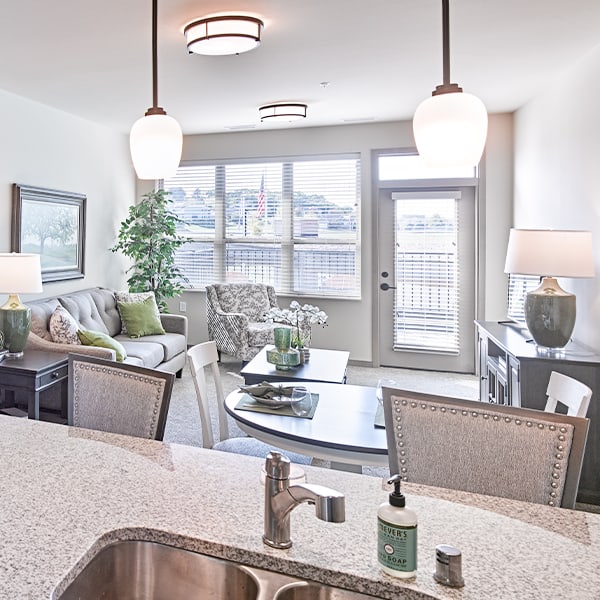
Cardinal View Senior Living
Independent Living 3820 Tribeca Drive, Middleton, Wisconsin, 53562At Cardinal View Senior Living, located in the heart of Middleton, Wisconsin, the Independent Living lifestyle offers older adults the perfect blend of freedom, comfort, and community. Designed for those who are ready to embrace an active, maintenance-free phase of lifewith the security of a vibrant senior living settingthis option allows residents to enjoy a rich social atmosphere and engaging amenities while retaining independence.A Home That Feels Like HomeThe Independent Living apartments at Cardinal View are thoughtfully designed to mirror the comforts of a private residence. Each unit includes full kitchens and in-unit washers and dryers, which means residents can choose to cook, do laundry or not, according to their preference and lifestyle. Large windows flood each space with natural light, and design touches inspired by the surrounding prairie and lake landscape bring warmth and familiarity. With amenities like underground parking, ease of access, and no worries about exterior maintenance, residents can relax into everyday living without the usual burdens of upkeep.Active, Engaging Community LifeOne of the standout features of the Independent Living experience at Cardinal View is the vibrant social calendar and robust community amenities. Residents have access to a full suite of options: restaurant-style dining, a caf/pub lounge, a theater room for shows or movies, a fitness center for wellness activities, salon and spa services, and multiple patio/outdoor spaces for fresh air and interaction. Even though the focus is on independence, theres a built-in support structure: the staff operate more like hospitality professionalsensuring comfort, connection, and an enriching lifestylerather than full-time medical caretakers. Flexibility that Works for YouOne of the greatest advantages of choosing Independent Living at Cardinal View is the flexibility. Many older adults appreciate that this step sets them up for the future: if their health or mobility needs evolve, the community offers additional lifestyle options right within the same campus, such as Assisted Living or Memory Care. Knowing youre living in a community where transitions are possible gives peace of mind to residents and families alike. Moreover, by moving into an independent living setting, youre freeing up your time and energy to focus on things you lovewhether that means hobbies, travel, socializing, or simply enjoying every day.Why Its a Great ChoiceIf the idea of downsizing from home maintenance, yard work and all the to-do items appeals to you, but you still want choice, privacy, and independence, Cardinal Views Independent Living delivers. It offers the benefits of community and support, without sacrificing autonomy. For those looking to live life, not just exist, this style hits the sweet spot: you gain a dynamic social setting, high-quality amenities, and a lifestyle built around engagement, rather than care.Considerations Before You MoveIts still wise to tour the facility, meet current residents, ask about the level of services included in your monthly fee, and explore what happens when needs change. While independent living doesnt typically include full medical care, being on a campus that provides that next level of service can matter. Its also helpful to review apartment layouts, how much space is included, monthly costs, what utilities and services are covered, and what is optional. Cardinal View provides floorplans and gallery tours online to explore ahead of time. Final ThoughtsFor those ready to embrace a fulfilling, community-oriented lifestyle with minimal maintenance and maximum freedom, Independent Living at Cardinal View Senior Living presents a strong option. Its modern, amenity-rich, and a place where older adults can truly enjoy their next chapterliving well, staying connected, and focusing on what matters most. If youd like, I can also gather an overview of available floorplans, pricing, and availability at the community.

Norbella Rogers
Assisted Living 21900 Diamond Lake Road, Rogers, Minnesota, 55374NorBella Senior Living Rogers, MN is a modern, boutique-style assisted living and memory care community now serving families just off I94 and MN101 in Rogers . Designed to offer both compassionate care and vibrant living, this single-story facility features 40 private units tailored to a range of needsfrom light daily assistance to dedicated memory support .Prime Location & Community VibeNestled amidst serene greenery, NorBella combines peaceful surroundings with everyday convenience. Its just a short walk from Target and Kohls (0.3mi), Emagine Movie Theater (0.7mi), North Community Park (0.8mi), and medical care at Allina Clinic and Maple Grove Hospital within a 7mile radius . This balance of nature and neighborhood makes it ideal for both residents and visiting family.Thoughtful Care OptionsNorBella Rogers supports residents at every stage:Assisted Living: Personalized support with dressing, bathing, mobility, and medication. Residents enjoy home-cooked meals, daily activities, laundry, housekeeping, and fitness supportwith built-in care plans to match individual needs Memory Care: A cozy neighborhood dedicated to dementia and Alzheimers care, with only 16 apartments to foster social connections in a nurturing, safe environment Additionally, NorBella Rogers extends options like independent living, skilled nursing, personal care, home care, and nursing-home care for long-term planning and flexibility Warm Amenities & Engaging ProgrammingThe facility features inviting communal spaceslibraries, card and puzzle areas, beauty salon and barber shop, air-conditioned gathering rooms, and outdoor patios perfect for summer barbecues . Residents enjoy a variety of social programming including bingo nights, scheduled outings, arts & crafts sessions, and backyard cookouts Dining with HeartA standout feature is on-site chef-prepared meals tailored for dietary needs. Offering scratch cooking, specialty diet options, and rotating themed meals, dining is an essential part of the NorBella experience Resident-Centered PhilosophyAs a boutique community, NorBella prioritizes meaningful relationships and fosters personalized attentionensuring clear family communication and ongoing resident well-being . Their core valuesFreedom, Assurance, Community, Fulfillment, and Legacytranslate into daily life, creating a supportive, dignified environment Practical DetailsAddress: 21900 S Diamond Lake Rd, Rogers, MN 55374 Phone: (763)4002150 Business Hours: MondayFriday, 9AM5PM; tours by appointment only Director of Sales: Angie Ormsby is the key contact for inquiries and tours Why NorBella Rogers?Exclusive care setting with just 40 units ensures personal attention and an intimate feel.Range of services from assisted living to memory care and beyond, offering a full continuum on-site.Focus on relationships with dedicated staff and strong resident-family partnerships.High-quality living environment featuring home-cooked meals, engaging activities, and chef-designed dining experiences.Final ThoughtsNorBella Senior Living Rogers blends compassionate, whole-person care with a charming, community-focused atmosphere. Its a place where residents can maintain independence while receiving the support they need, all within a setting that feels like home. To learn more, request a free info packet or schedule a tour by calling (763)4002150.
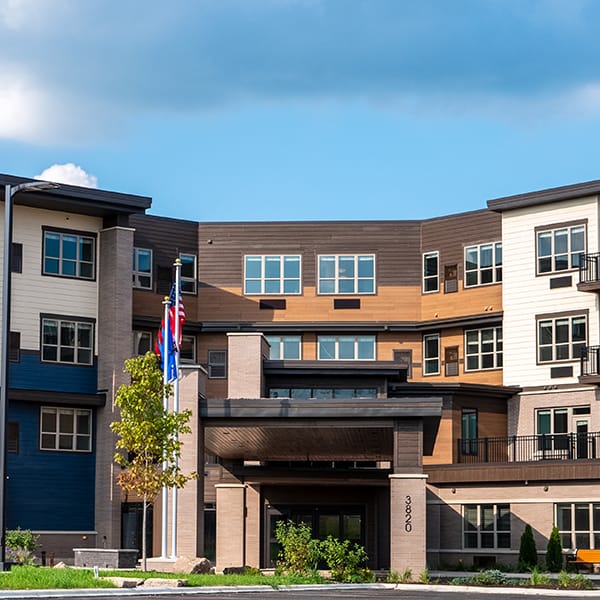
Cardinal View Senior Living
Assisted Living 3820 Tribeca Drive, Middleton, Wisconsin, 53562Located in Middleton, Wisconsin, Cardinal View Senior Living provides a refined and supportive assistedliving option for older adults who are seeking help with daily living tasks but still desire independence, dignity and a rich social lifestyle. On their assisted living webpage, the community presents a clear mantra: Live Life in Safety & Security. Personalized Assistance & Daily Living SupportAssisted living at Cardinal View is designed for seniors who find it increasing difficult to manage everyday activitiesthings like bathing, dressing, meal preparation, cleaning and medication management. What stands out is the commitment to tailoring a care plan to fit each residents specific needs, and adapting those services over time as needs change. And beyond basic support, the community places emphasis on the 7 dimensions of wellness (physical, emotional, spiritual, intellectual, social, vocational, environmental) so that residents arent just maintainedtheyre encouraged to thrive. Exceptional Services & Community AmenitiesAssisted living at Cardinal View isnt just about careits about living well. Some of the service highlights include:24-hour on-site staff for safety and support. Medication management and regular physician check-ups to help maintain health. Spacious communal amenities: restaurant-style dining, bistro/lounge/pub spaces, library, fitness room, arts & crafts, outdoor patio and fire-pit area so residents can enjoy a life rich in connection and choice. Apartment features that feel like home: 1-bedroom and 2-bedroom suites, full kitchens, washer/dryer in unit, balconies (on select homes), controlled access entry, WiFi & basic satellite TV included. Why Choose Assisted Living at Cardinal View?What makes this community a compelling choice:Balance of independence and support: Residents get the help they need without giving up their sense of choice, agency and everyday enjoyment.Lifestyle enrichment: Its not simply care but living monthly events, social opportunities, and welcoming spaces make each day meaningful. Adaptable care: As health or mobility evolve, the community is set up to scale support accordingly, so families feel confident the environment will stay appropriate. Premium setting: The design and amenities reflect a higher standard. The facility was constructed with attention to daylight, modern finishes, green space, and comfort. A Few Things to ConsiderBecause of the upscale setting and extensive amenities, costs are higher than more basic assisted-living options. (For example, one listing shows starting cost around $4,640/month. As with any assisted-living move, touring the space, meeting staff, sampling food, and observing an activity are critical. Reviews mention very positive experiences but also some caveats around meals/dining on busy days. Its important to clarify the scope of care: How much personal care is included? What happens if the residents condition progresses beyond what the community offers? Asking about transition plans or partner services is wise.Final ThoughtsIf you or your loved one are looking for an assisted-living community that offers more than the basicswhere support comes alongside elegance, choice, and a vibrant community lifethen Cardinal View Senior Living delivers on those fronts. With a strong emphasis on wellness, high-quality amenities, and a thoughtful design, its poised to be a place where living well takes center stage. Families and seniors considering the move would benefit from scheduling a guided tour, sitting in on an event, and comparing the fit personally.